
What Is ‘Physical AI’? Inside The Push To Make AI Understand The Real World
The transformative wave of artificial intelligence (AI) has reached a pivotal next step: understanding and interacting with the physical world. Known as “Physical AI,” this evolution goes beyond software, chatbots, and data prediction models. It’s about blending intelligence with robotics—literally giving AI a body—so that machines can act, adapt, and solve real-world problems. As industry leaders like Amazon increasingly bet on physical AI, it’s important to understand what this means for society, business efficiency, and the workforce. Dive in as we explore the core concepts behind physical AI, key innovations, the impact on jobs and industry, and what the future holds for this game-changing technology.
1. Defining Physical AI: The Fusion of Mind and Body in Machines
When most people think of AI, they imagine algorithms powering search engines, digital assistants, or chatbots. But “Physical AI” is a different frontier. It combines the cognitive powers of AI—ability to learn, adapt, and make decisions—with robots that can move and interact with the world. In essence, it’s about giving AI a body.
- Physical AI refers to the integration of advanced machine learning (the “mind”) into robotics (the “body”).
- This allows machines to perform complex, adaptive tasks—far surpassing the repetitive routines of earlier industrial robots.
- “We call it physical AI because what we’re doing is blending the mind with the body,” shared Amazon’s robotics chief technologist. “We can create a more adaptive robot. We can take on the menial, the mundane, and the repetitive—and eliminate that with our robotics.”
Physical AI machines are already transforming where and how work happens, enabling unprecedented levels of efficiency in logistics, manufacturing, and beyond.
2. How Industry Leaders like Amazon Are Building Physical AI
Amazon provides perhaps the most prominent case study of how physical AI is changing the game. The company is aggressively investing in automating its logistics empire, rolling out advanced robots across its vast network of warehouses and fulfillment centers.
- Robotic upgrades: Recent AI updates at Amazon are “improving the brains” of machines, making their robots more adaptive and capable of handling varied tasks.
- Delivery innovation: Amazon is testing new delivery models, including humanoid robots and partnerships with firms like Agility Robotics, focusing on logistics and warehouse fulfillment.
- Magnitude of deployment: As of today, Amazon boasts nearly a million robots in its network—ranging from intelligent robotic arms to mobile units that resemble giant automated Roombas.
- Cost savings and efficiency: The goal is clear: automate $200 billion in logistics costs to boost operating margins and keep prices low for consumers.
The race to physical AI is more than a tech showcase—it’s a high-stakes initiative aimed at delivering faster, more efficiently, and at lower costs in an increasingly competitive ecommerce landscape.
3. Real-World Evidence: The Growing Impact of Physical AI
Physical AI isn’t just a Silicon Valley buzzword—its tangible benefits are being demonstrated across multiple domains, particularly in supply chains and logistics. Through automation, companies are dramatically increasing efficiency, reducing errors, and minimizing operational costs.
- Inventory management: AI-driven robots can manage inventory 24/7 without fatigue, reducing lost packages and bottlenecks.
- Increased uptime: Robots don’t call in sick or suffer injuries, ensuring a more predictable and steady workflow.
- Fewer accidents: With robots handling repetitive or hazardous tasks, workplace injuries decrease and safety improves.
- Natural attrition vs. layoffs: As physical AI automates tasks, companies may reduce hiring without resorting to large-scale layoffs, replacing “churn” (from people leaving tough jobs) with sustained efficiency.
These real-world applications demonstrate how the drive to physical AI isn’t simply futuristic—it’s reshaping work today.
A study conducted at Forbes highlighted the rapid expansion of physical AI in modern industries. Research published in Forbes found that companies implementing physical AI solutions are significantly automating operational costs and improving supply chain resilience. The study reports that Amazon’s investment in robotics and AI has led to higher fulfillment accuracy, reduced losses, and has started shifting workforce roles from manual labor to higher-skilled positions required to maintain and program these advanced machines. This evidence reinforces that physical AI is not only technological hype but a strategic imperative now driving competitive advantage in global commerce. (What Is ‘Physical AI’? Inside The Push To Make AI Understand The Real World).
4. The Workforce and Workplace: What Happens When Robots Get Brains?
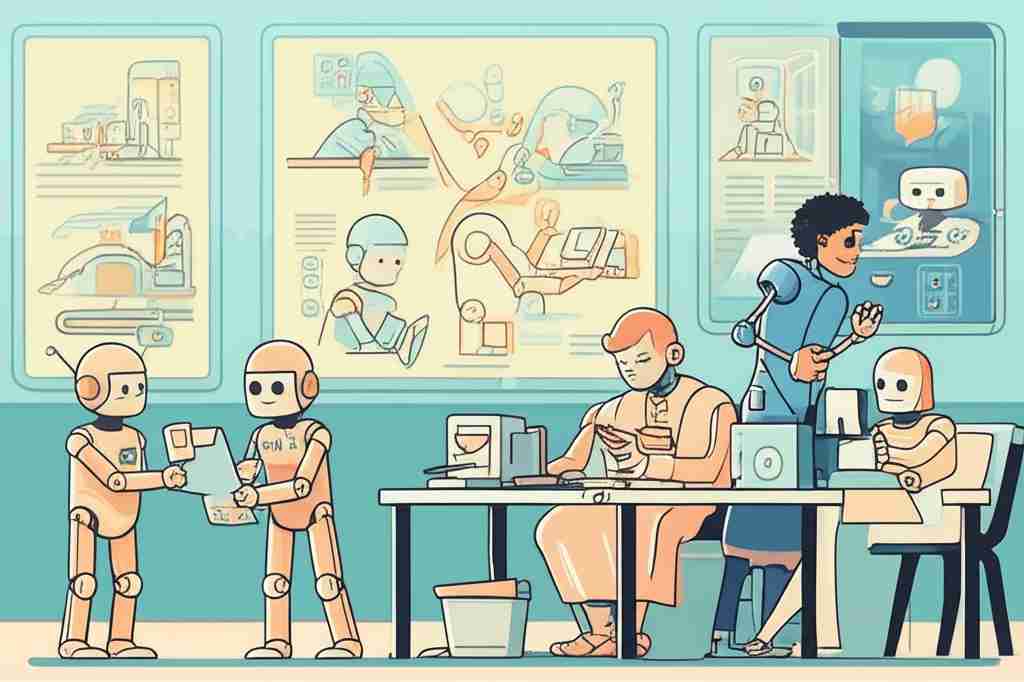
As physical AI takes hold in warehouses, manufacturing plants, and even agriculture, a pressing question emerges: what does this mean for jobs? The video transcript provides a nuanced perspective on workforce transformation:
- Natural attrition: Rather than mass layoffs, companies like Amazon anticipate “natural attrition”—not all roles will be replaced, but the need for manual, repetitive labor will gradually diminish as existing staff leave.
- Job transition: Roles are shifting toward oversight, programming, and maintenance of robotic systems—a step up in skills and compensation for those who prepare.
- Ongoing growth: Despite automation, companies continue to grow and expand, building out new infrastructure requiring both human and robotic collaboration.
The reality is that the future of work will likely involve collaboration between human workers and ever more intelligent machines. As in previous technological revolutions, adaptability and continuous learning will be key advantages. For workers, this means:
- Acquiring skills in robotics, AI programming, and troubleshooting automated systems
- Focusing on creative, strategic, or empathetic tasks that machines cannot easily replicate
- Staying informed and proactive as industries evolve
5. Looking Forward: How Physical AI Will Shape Everyday Life
The march toward physical AI is accelerating. As hardware and AI software continue to merge, expect to see smarter, more versatile machines everywhere—from your doorstep (delivering packages) to warehouses and even agricultural fields. Some of the emerging trends and practical takeaways include:
- Faster, cheaper, and more reliable services: Physical AI-driven logistics will mean faster deliveries, lower costs, and fewer service interruptions for consumers.
- Rise of humanoid and collaborative robots: While most robots today are specialized machines, the push for “humanoid” robots continues—with potential for profound social and economic change in the future.
- Changing the value of human labor: As basic manual tasks are automated, human value may increasingly center on skills that AI cannot yet emulate—creativity, leadership, empathy, and complex problem-solving.
- New business models and opportunities: Entrepreneurs and businesses can leverage physical AI for new services, increased efficiency, and competitive differentiation.
Adaptation will be vital: change, as with previous technological revolutions, is inevitable. Those who learn to work alongside and leverage physical AI will be best positioned to thrive.
Conclusion: Physical AI Is Here—Are You Ready?
Physical AI represents a new chapter in technological progress—a world where advanced intelligence powers machines to sense, adapt, and act in the real world. As the examples of Amazon and others reveal, this isn’t just hype: it’s a rapidly evolving trend with the power to redefine commerce, work, and everyday life. By understanding what physical AI is, how it’s being deployed, and what it means for the workforce, individuals and businesses can make informed choices and seize new opportunities as the age of intelligent machines begins. Adaptation, reskilling, and embracing innovation are not just recommendations—they’re necessities in this new era.
About Us
At AI Automation Darwin, we empower businesses to embrace the next wave of innovation—helping you streamline operations with practical AI and automation. As physical AI revolutionizes workplaces and logistics, our tailored solutions make advanced technology accessible and effective for teams of any size. We’re here to support your journey to a smarter, more efficient workflow as you adapt to an evolving world.