
Seizing the Agentic AI Advantage: Understanding and Leveraging the Full Power of AI Agents
Introduction: The Rise of Agentic AI
Artificial Intelligence (AI) has entered a new era—one marked not just by language models and automation, but by the rise of agentic AI: systems that act with increasing autonomy and sophistication to solve complex problems. In 2025 and beyond, agentic AI is set to reshape industries, workflows, and the very way organizations operate. But what does it truly mean to seize the agentic AI advantage? To maximize value, it’s crucial to understand the different types of AI agents, their unique capabilities, and best practices for deploying them effectively. In this blog post, we delve into the world of agentic AI, analyze key scientific insights, and provide practical steps for harnessing this transformative technology.
What Is Agentic AI? Understanding the Five Types of AI Agents
At the core of agentic AI are AI agents: software entities that interact with environments, perceive changes, make decisions, and take actions—all toward achieving specific goals. By classifying these agents based on complexity and capability, we can better appreciate their diverse strengths. According to leading AI experts, the five primary types of AI agents are:
- Simple Reflex Agents: These basic agents operate on direct “if-then” rules. For example, a thermostat turns on heating when the temperature drops below a set point.
- Model-Based Reflex Agents: More advanced, these agents maintain a memory (or model) of the environment, allowing them to infer unobserved states. Think of a robotic vacuum tracking where it has cleaned.
- Goal-Based Agents: Rather than just following predefined rules, these agents pursue explicit goals, simulating outcomes before acting. Self-driving cars selecting optimal routes exemplify this approach.
- Utility-Based Agents: These agents not only aim for goals but also evaluate and prioritize outcomes for maximum utility (or happiness). Autonomous drones optimizing for speed, energy, and safety illustrate utility-based decision-making.
- Learning Agents: The most sophisticated, learning agents dynamically improve by learning from experience and feedback—think AI chess bots becoming stronger after each game.
Understanding these agent types lays the foundation for selecting and deploying the right AI agent—or combination thereof—for any given task.
Agentic AI in Action: Real-World Capabilities and Challenges
Agentic AI is rapidly moving from research labs to real-world applications, powering innovations across healthcare, logistics, finance, and beyond. Each AI agent type brings unique advantages:
- Simple reflex agents excel in predictable, rule-bound environments but lack adaptability.
- Model-based agents navigate dynamic scenarios by inferring hidden information, making them suitable for robotics and environmental monitoring.
- Goal-based and utility-based agents are critical when outcomes are multi-faceted—such as in route optimization, resource allocation, or autonomous vehicles—by aiming not just for feasibility but for optimality.
- Learning agents shine where continuous adaptation is required, such as recommendation systems, strategy games, and medical diagnostics.
However, these advances come with challenges:
- Limited adaptability in simple agents: they may repeat mistakes in changing environments.
- Data and resource intensiveness in learning agents: they need large datasets and may require extensive training periods.
- Difficulty in constructing accurate utility functions: Defining what makes an outcome “best” can be nuanced, especially in healthcare, where multiple factors (efficacy, safety, patient preference) must be balanced.
- Need for human oversight: Even the most advanced systems benefit from human-in-the-loop processes for quality assurance, ethics, and unforeseen scenarios.
The Strategic Imperative: Why Most Organizations Aren’t Fully Capitalizing on Agentic AI
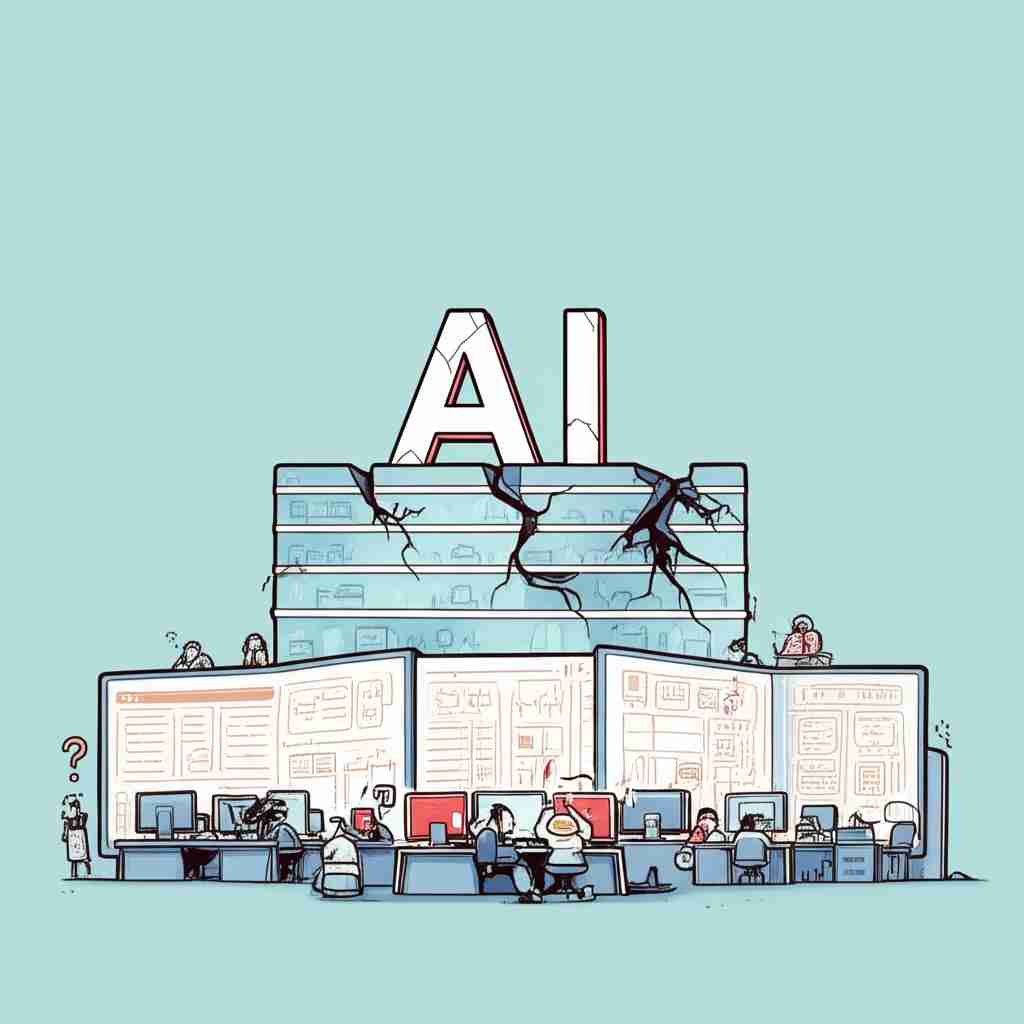
Research published in Seizing the agentic AI advantage by McKinsey & Company found that while nearly 80% of organizations report using generative AI, just as many have yet to see significant bottom-line impact. This so-called “gen AI paradox” underscores the importance of more than just technology adoption. The study highlights that impactful results hinge on:
- Thoughtful integration of agentic AI into processes and decision-making workflows
- Adapting organizational structures to leverage AI’s strengths—rather than seeking to automate indiscriminately
- Ensuring that human experts remain central to interpretation, oversight, and ethical compliance
Organizations that invest in change management, agent selection, and iterative deployment are more likely to unlock real value from their AI initiatives. See the full study here for further insights on bridging the capability-outcomes gap.
Practical Steps to Seize the Agentic AI Advantage
To make the most of agentic AI, organizations and individuals should take a systematic approach:
- Assess Your Needs: Start by mapping out the problems to solve and matching them to the agent type that fits best (e.g., reflex agents for automation, learning agents for dynamic environments).
- Start Simple, Then Scale: Begin with well-defined, low-risk tasks using simple or model-based agents. Use these pilots to build trust and expertise before expanding to more complex agentic systems.
- Embrace Multimodal and Multi-Agent Systems: For complex tasks, combine multiple agents (multi-agent systems) to address different parts of a workflow collaboratively. This approach maximizes strengths while mitigating individual limitations.
- Keep Humans in the Loop: AI works best when combined with human judgment. Set up processes for ongoing oversight, feedback, and adjustment—especially in healthcare, legal, and safety-critical fields.
- Invest in Learning: Use feedback mechanisms (like those in learning agents) to iteratively improve performance, accuracy, and user satisfaction.
- Clearly Define Utility Functions: Especially for utility-based agents, take time to specify what optimal outcomes mean for your business or field.
- Monitor and Correct: Establish robust monitoring and error-correction protocols, recognizing that even advanced agents can make mistakes without proper guardrails.
By following these steps, organizations can move beyond hype to achieve measurable advantages—from cost savings to improved outcomes and innovation.
Conclusion: Human-Centric AI for Sustainable Advantage
Agentic AI is rapidly becoming central to competitive advantage across industries. From simple automation to adaptive, self-improving systems, the key is selecting the right agent for the right context and ensuring that AI augments—rather than replaces—human expertise. As scientific research and real-world experience show, successful adoption depends on thoughtful alignment of technology, process, and people. By understanding the spectrum of AI agents and following evidence-based practices, organizations can truly seize the agentic AI advantage and navigate an ever-smarter future.
About Us
At AI Automation Darwin, we empower businesses to harness the power of agentic AI. By creating tailored automation solutions, we help organizations streamline operations, choose the right AI agents for their needs, and integrate smart workflows that keep humans at the center. Our expertise ensures that your business can confidently adopt AI for lasting, practical benefits.