
Reconciling Technology with Humanism: The Future of Education in the Age of Generative AI
Introduction: Navigating an Educational Crossroads
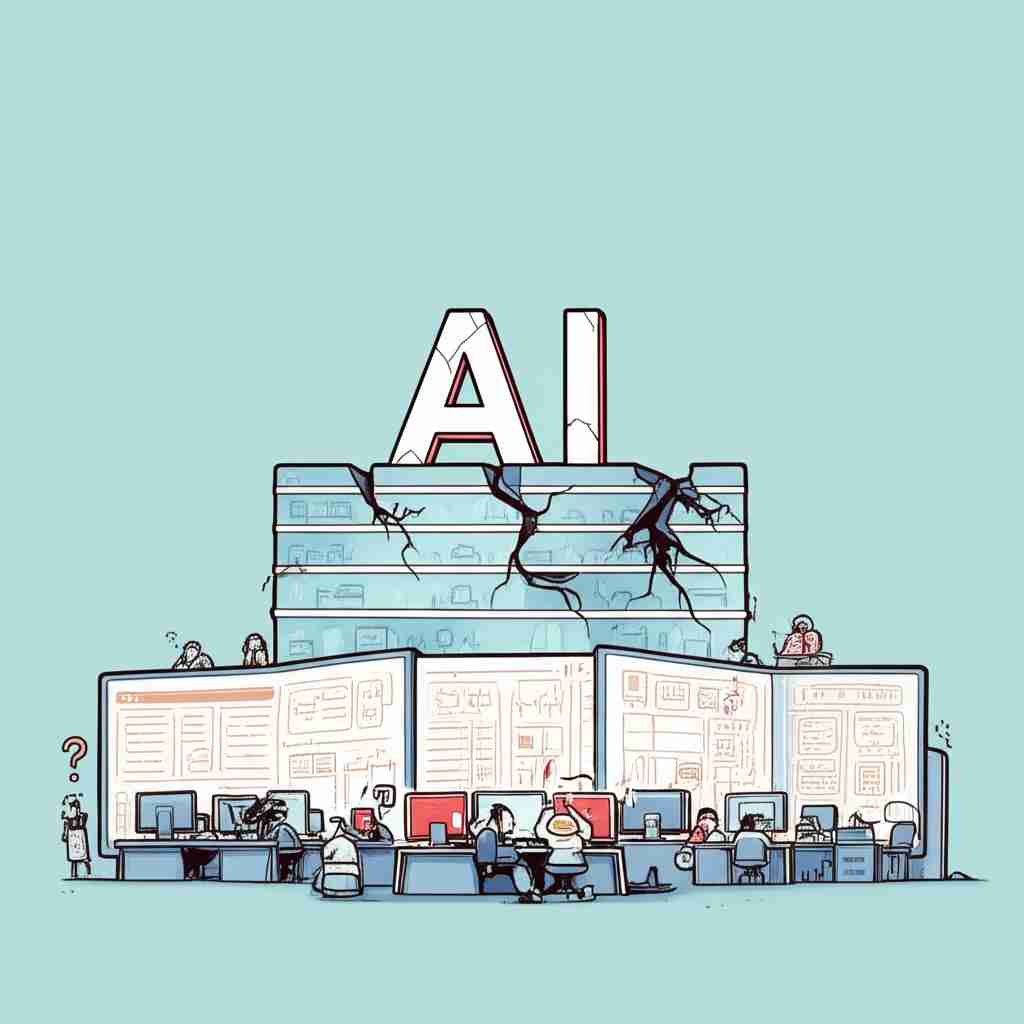
The emergence of generative artificial intelligence (AI) represents a seismic shift in the world of education. As AI systems such as ChatGPT and Copilot rapidly advance, their ability to assist—or even supersede—students in reading, writing, and problem-solving has outstripped traditional conceptions of pedagogy. Amid this whirlwind of possibility and apprehension, educators, parents, and policymakers are confronted by fundamental questions: How do we safeguard the humanistic spirit of education, and what should learning become in an age where machines can mimic, create, and solve at scale? This blog post explores the balance between leveraging technology and preserving the human aspects central to lifelong learning and well-being.
The Tension: Generative AI Meets Humanistic Education
The educational landscape is starkly different from the past. In 1976, nearly 40% of high school seniors had read six or more books for pleasure; today, the same percentage hasn’t read a single one. As generative AI tools become ubiquitous, students are increasingly outsourcing reading, writing, and even problem-solving to algorithms that can summarize books, write essays, and solve math assignments in seconds. While these technologies promise efficiency and accessibility, they challenge core assumptions:
- Purpose of Education: Is education merely about knowledge transfer, or is it equally about developing capacities—critical thinking, creativity, attention, empathy—that are not easily automated?
- Meaningful Engagement: Are students genuinely learning, or are they becoming disengaged passengers, using AI to coast through assignments without true mastery?
- Societal Readiness: Do current schooling models prepare students for a future in which both economic demands and AI capabilities remain unpredictable?
This new paradigm unsettles the traditional roles of teachers and students. Rather than simply banning or ignoring AI, the challenge is to reimagine education so that technological progress enhances, rather than erodes, our shared humanity.
Rethinking Engagement: Modes, Motivation, and Meaning
Decades of educational research underscore that true learning is as much about engagement and agency as it is about rote achievement. Rebecca Winthrop, director of the Center for Universal Education at the Brookings Institute, identifies four primary modes of student engagement:
- Passenger Mode: Students passively participate, often earning decent grades but lacking genuine interest. AI can exacerbate this, making it easier to shortcut assignments without learning underlying skills.
- Achiever Mode: Students focus on perfect outcomes, sometimes at the expense of creativity or intrinsic motivation.
- Resistor Mode: Students actively avoid or disrupt participation, often due to lack of relevance or support.
- Explorer Mode: Students are deeply engaged, bringing curiosity and creativity to their studies—they are proactive, excited to dive in, and apt to achieve the best outcomes both academically and personally.
Modern education should strive to move students from ‘Passenger’ to ‘Explorer’ mode. Motivation, well-being, and a sense of agency are critical predictors not just of academic outcomes but of mental health and future adaptability. Drawing on personal stories, Winthrop describes students who discovered their ‘spark’—be it building a robotics kit, designing an escape room about history, or engaging deeply with politics—and how these passions catalyzed broader engagement and resilience.
But as generative AI grows ever more capable, there is a risk of deepening disengagement if education remains narrowly focused on knowledge reproduction. Instead, schools must cultivate:
- Agency and Reflection: Developing students’ ability to select, pursue, and reflect on interests—skills that enable lifelong learning in a changing world.
- Collaboration and Oracy: Fostering skills in listening, speaking, discussion, and teamwork—areas where human abilities still outpace those of machines.
- Critical AI Literacy: Teaching students not just to use AI, but to understand, critique, and ethically engage with it.
Evidence-Based Perspectives: Technology and Humanism Need Not Be at Odds
A study conducted at The Conversation underscores the imperative to balance technological progress with humanistic values in education. The research warns that the rapid advance of generative AI risks deepening the gap between technological proficiency and holistic, ethical educational aims. Critically, the study finds:
- Generative AI is transforming both classroom experience and institutional decision-making at unprecedented speed.
- Without a humanistic framework, AI-driven education risks undermining critical thinking, reflection, and the ability to make meaning—all essential for societal progress.
- The authors advocate for intentional integration: leveraging AI’s potential for personalization and access while maintaining a curriculum centered on deep, reflective learning and interpersonal development.
This evidence supports the notion that AI can be a force for educational equity and customization—especially for underserved populations—if thoughtfully contained and guided. For instance:
- Access Gaps: In regions or schools with limited resources, AI tutors can provide personalized instruction (e.g., in English literacy) where human teachers may be overstretched.
- Special Needs: Adaptive technologies (like text-to-speech tools for dyslexic students) can empower learners with diverse needs.
- Professional Support: AI can assist overburdened staff with administrative, scheduling, or assessment tasks—freeing teachers to focus on truly human-centered instruction.
However, the introduction of technology must be purposeful—not driven by “FOMO” (fear of missing out) or market forces, but by clear, evidence-based needs and oversight. Containment, regulation, and the involvement of educators and child development experts in product design are essential guardrails.
Practical Pathways: Integrating AI Without Losing Our Humanity
Moving forward, both public and private schools confront crucial, actionable decisions in reconciling technology with the timeless aims of humanistic education. Key takeaways include:
- Purposeful Adoption: Do not introduce generative AI unless it addresses a specific, well-defined educational challenge.
- AI for Teachers, Not (Only) for Kids: Allow educators to experiment with AI as a supportive tool before rolling it out widely to students, ensuring it amplifies—rather than replaces—human relationships.
- Guardrails and Design: Insist that AI systems used in schools are designed with child development, safety, and learning outcomes in mind—not just commercial incentives.
- Equity Focus: Address access gaps—for example, using AI to supplement learning in underserved communities or with neurodivergent students, while taking steps to prevent widening the divide between those with and without access to quality tech at home.
- Screen-Free Oases: Especially for younger children, prioritize screen-free, deeply human experiences at school to develop attentional capacity and genuine social connection.
- AI Literacy and Ethics: Teach older students how AI works, its benefits, risks, and ethical considerations—separate from merely using AI for homework or productivity.
Importantly, school systems should resist the temptation to chase every technological trend. The rapid pace of AI development and the ‘wild west’ nature of product rollouts mean that waiting for products specifically designed for education—and regulating their use—is both wise and necessary. Pilot programs, ongoing feedback loops, and collaboration with teachers and students in the design process can ensure that technology serves, rather than supplants, human learning.
Conclusion: Charting a Human Future in an AI World
The future of education in the age of generative AI will be defined not by how quickly we replace books and teachers with algorithms, but by our ability to integrate new tools while reaffirming the irreplaceable value of human attention, creativity, and empathy. Schools should be places of engagement, agency, and deep reflection: spaces that intentionally nurture what it means to be human, even as they prepare young people to navigate and shape a technological world. By balancing the strengths of AI with the enduring aims of humanistic education, we can not only future-proof our classrooms, but also help students flourish as thinkers, citizens, and people.
About Us
At AI Automation Darwin, we believe technology should empower people and organizations. Just as education must balance innovation with human connection, we help businesses harness AI tools in ways that support real engagement, creativity, and efficiency. Our tailored automation solutions ensure that AI serves your team’s needs—streamlining tasks while keeping people at the center of your operations.