
How Software Engineers Actually Use AI: From Hype to Seamless Integration
Introduction
Artificial intelligence (AI) has sparked intense debate and curiosity within the software engineering community. Some argue the initial wave of excitement is fading, while others believe we are on the brink of transformative change. This blog post delves into how software engineers truly use AI in their workflows today—moving beyond headlines about revolution and job displacement, to the practical, day-to-day reality of AI integration.
The Era of AI Integration: Moving Beyond the Hype
In the early days of generative AI, every new model or application seemed like a game-changer. Software engineers experienced both anxiety and exhilaration, worried that AI would outpace human capabilities while simultaneously thrilled by unprecedented coding and automation breakthroughs. However, as these technologies matured, the perception of AI shifted.
- Initial shock and awe at AI’s capabilities gave way to normalized, almost routine use.
- New tools and features no longer feel revolutionary—”another chatbot” is no longer headline-worthy.
- The emphasis has shifted from producing never-before-seen technology to refining and integrating what already exists.
The journey has moved from rapid breakthroughs to what many engineers term the “integration era.” This is the phase where genuine productivity gains and workplace improvements begin to materialize as AI becomes woven into the everyday fabric of engineering tasks.
How Software Engineers Use AI Tools in Practice
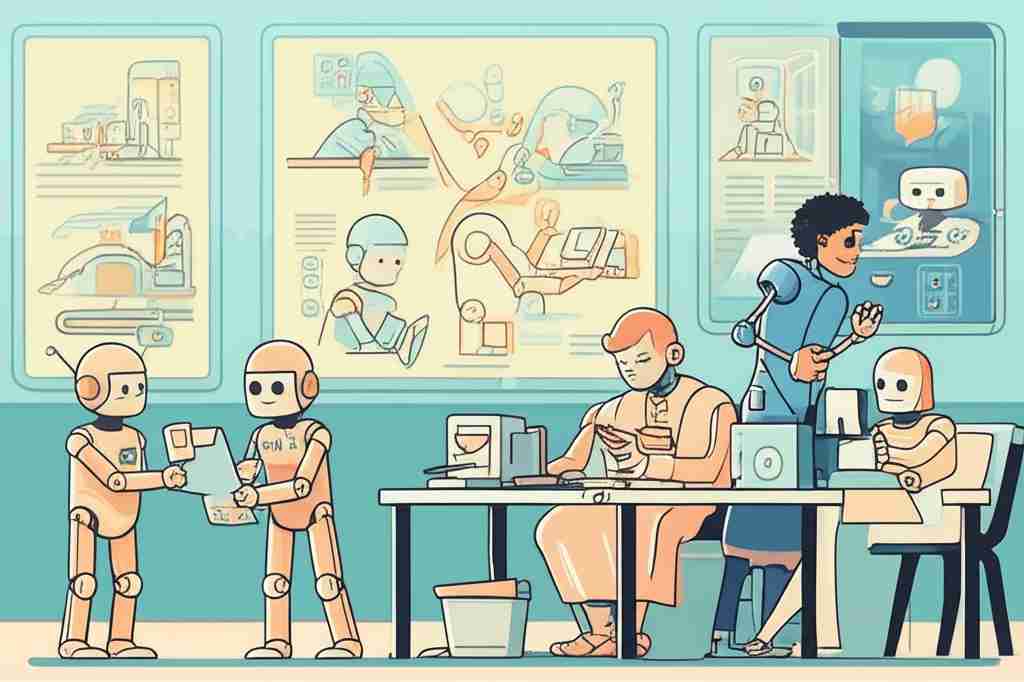
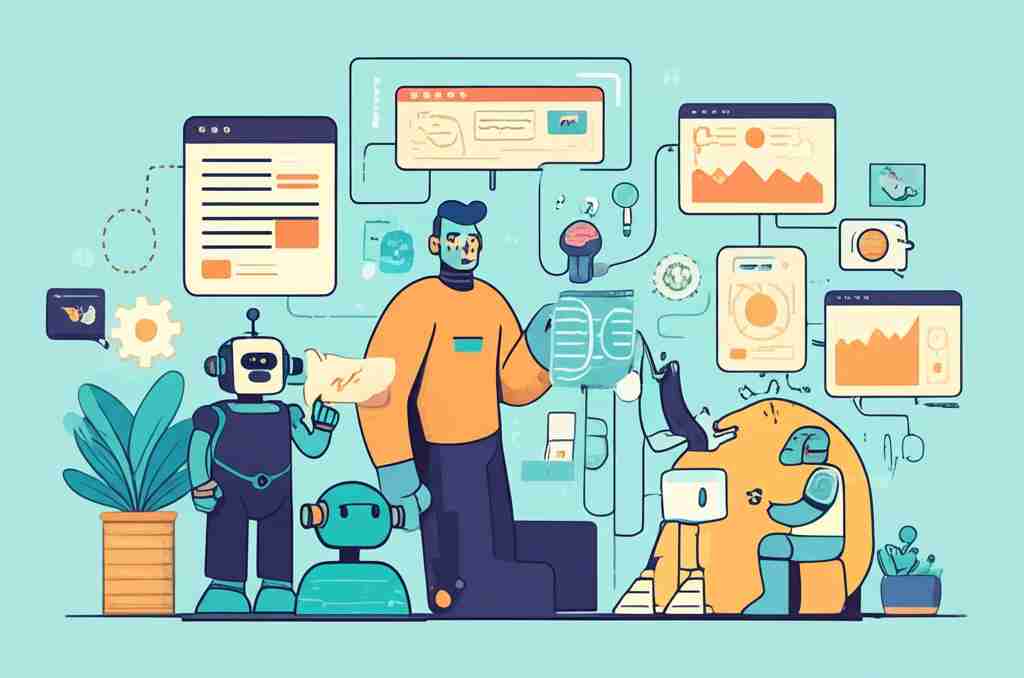
Today, software engineers are leveraging AI in increasingly sophisticated and pragmatic ways. Instead of viewing AI as a stand-alone replacement for developers, the technology is now embedded within workflows, helping engineers achieve more with less friction.
- Code generation and review: AI can produce code snippets on demand, support the creation of frontend elements, or suggest optimizations—always under the careful eye of an experienced developer.
- Problem solving and brainstorming: Developers “riff” with AI, posing challenging questions and receiving alternative solutions. This collaborative approach boosts creativity and problem-solving speed.
- Integration of diverse tools: Engineers connect AI to platforms like Zapier, n8n, or custom MCP servers, allowing for seamless automation of complex workflows across applications and services.
- Routine task management: AI handles repetitive work—such as writing emails or generating documentation—freeing developers to focus on design and logic.
- Quality-of-life improvements: Rather than replacing staff, AI tools are now praised for making engineers’ daily work more enjoyable and productive.
This reality is less about revolution and more about evolution. AI is now a dependable part of the software engineer’s toolkit, contributing to efficiency rather than upheaval.
Evidence-Based Insights: What Research Says
A study conducted at WIRED and published under the title How Software Engineers Actually Use AI provides valuable insight into this evolving landscape. The study reveals that, despite initial fears of job displacement, AI has primarily served to augment engineers’ capabilities rather than replace them. Most software professionals incorporate AI for:
- Enhancing productivity through automation of mundane tasks
- Accelerating the development pipeline by streamlining integrations and toolchains
- Facilitating creative exploration by suggesting diverse approaches to coding challenges
- Improving communication via auto-generated documentation or client correspondence
The central conclusion: software engineers aren’t ceding control to AI. Instead, they use it as a collaborative partner—one that helps them “string together puzzle pieces” efficiently, as echoed by developer reflections in the field. This partnership raises the bar for both day-to-day productivity and the quality of final products.
For a closer look, view the original study here: How Software Engineers Actually Use AI.
The Plateau Phase: Integration, Not Obsolescence
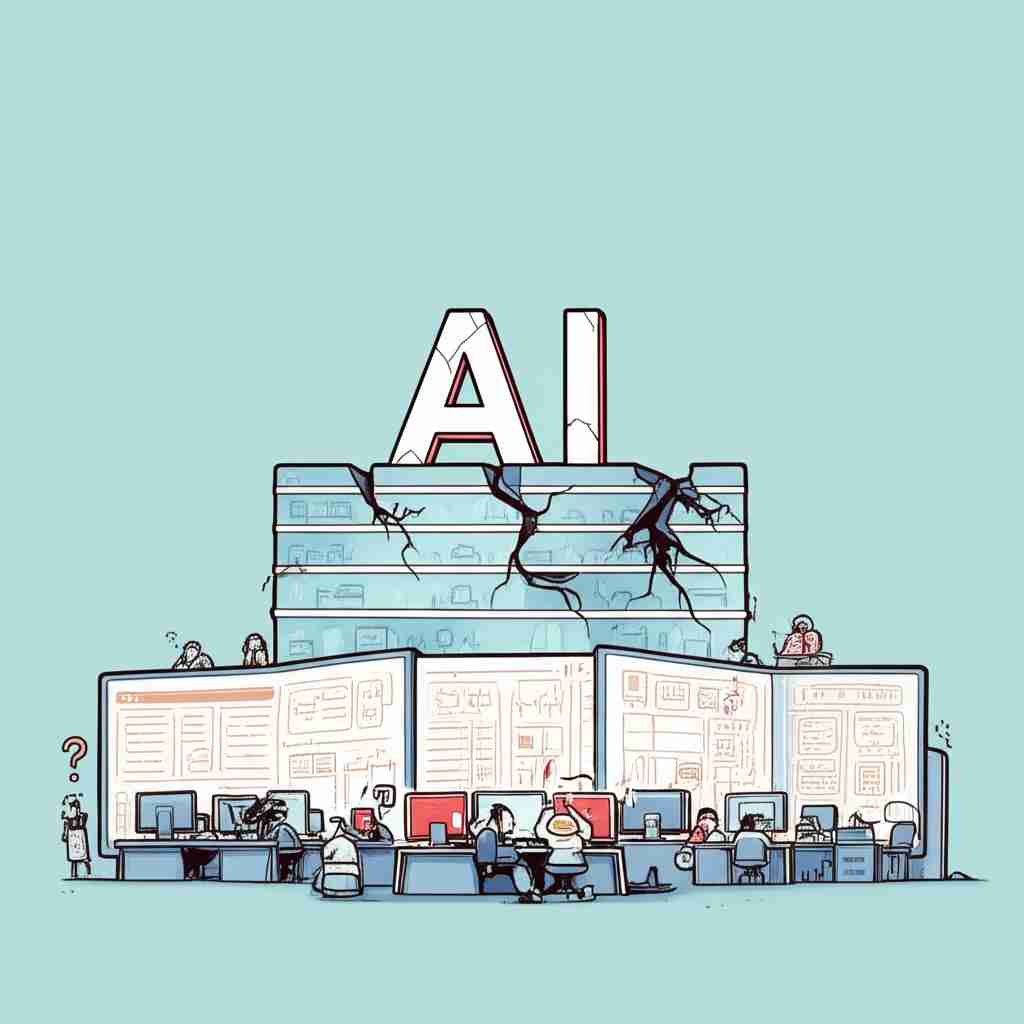
Some may interpret the recent “plateau” in AI innovation as a sign that progress is stalling. In reality, it’s a crucial developmental phase where practicality trumps spectacle. This “plumbing season”—an apt metaphor used by experienced engineers—mirrors the evolution of the internet itself, where transformative applications only emerged after robust infrastructure was in place.
During this phase, software engineers are:
- Connecting and integrating stable AI tools into daily routines and existing systems
- Focusing on robust workflows rather than eye-catching demos
- Shifting away from panic about job loss to mastering these new tools for measured career growth
- Choosing the best combination of AI tools/platforms (e.g., V0, Claude, Cursor, Windsurfer) to optimize productivity, rather than relying on a single solution
- Valuing code review and quality assurance—recognizing that while AI can assist, its outputs must always be verified for production use
This plateau is a time of foundational progress, giving developers the bandwidth to creatively explore how AI can be integrated in ways that actually matter to users and clients.
Actionable Takeaways for Software Engineers
If you’re a software engineer (or aspire to be one), here are practical steps to harness AI effectively and responsibly:
- Embrace AI as a collaborator, not a competitor. Use it to brainstorm, generate code, and automate tedious tasks, but always apply your expertise to review and refine outputs.
- Experiment with integration-friendly tools. Platforms like Zapier or custom servers allow you to connect AI across your workflow – find what complements your tech stack best.
- Prioritize learning over panic. Reject the notion of imminent obsolescence. The current plateau is an opportunity to deepen your skillset and lead the next wave of innovation.
- Focus on end-user value. Use AI to free up time for higher-level thinking, customer engagement, and creative feature development.
- Stay vigilant about quality. While AI accelerates output, treat its suggestions as drafts—not production-ready code—and maintain robust review processes.
Most importantly, allow yourself to enjoy the creativity that comes with this new phase. The days of disruptive anxiety about AI are receding, replaced by an era where “making things that work, and work really well” is both the goal and the standard.
Conclusion
AI hasn’t rendered software engineering jobs obsolete, nor has the excitement evaporated. What’s changed is the role of AI: from a source of existential panic and flashy demos to a set of embedded, high-quality tools that empower engineers to work smarter, not harder. By embracing this integration era and learning to build with (and alongside) AI, software engineers are poised not just to survive, but to thrive in the years to come.
About Us
At AI Automation Darwin, we help businesses harness the practical value of AI by integrating tailored automation solutions into everyday operations. Much like today’s software engineers embracing AI for real-world productivity gains, we believe in seamless, reliable tools that enhance your workflow—empowering you to focus on what matters most.