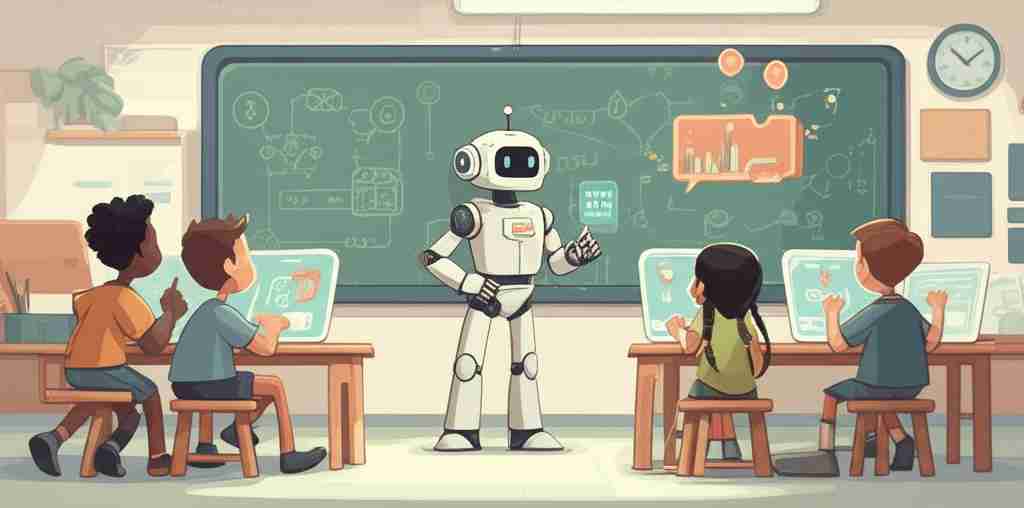


Understanding AI Agents: Insights from wsj.com and Real-World Applications
Introduction: The Rise of AI Agents in Modern Software
In an age where artificial intelligence is reshaping industries, “AI agents” have emerged as game-changers in how we interact with technology. Platforms like wsj.com have become hubs for critical discussion surrounding these innovative systems, guiding both professionals and the general public in understanding their implications. But what are AI agents, how do they differ from traditional software, and why should you care? In this post, we’ll explore the fundamentals of AI agents based solely on recent expert discussions and research highlighted in trusted sources.
What Are AI Agents? Comparing Agents and Traditional Software
AI agents are intelligent software assistants designed to monitor their environment, make decisions, and take actions to achieve specific goals. Unlike classic software that operates strictly along pre-programmed commands, AI agents blend reasoning, autonomy, and learning into their core functionality. Here’s how they stand out:
- Active Monitoring: Agents are constantly aware of their environment via sensors or data inputs.
- Smart Decision-Making: They use advanced reasoning engines to evaluate choices and pursue the most effective strategies.
- Goal-Oriented Behavior: AI agents follow objectives set by users but decide independently on how to accomplish them.
- Feedback Loop for Learning: These systems use feedback from their actions to continually improve performance over time.
In contrast, traditional software systems follow fixed paths—a programmer must specify exactly how to respond to every possible situation. AI agents shift this paradigm to allow for more flexible, adaptive, and context-aware solutions, focusing on declarative goals instead of rigid command lists.
Core Capabilities and Architectural Options for AI Agents
Modern AI agents are built on several foundational capabilities and can be structured in diverse ways to accommodate various tasks and industries. Key elements include:
- Degrees of Autonomy: From merely recommending actions (human-in-the-loop) to acting fully independently, the level of agent autonomy can be tailored to the application. The job of system engineers is to calibrate autonomy and introduce safeguards and oversight as needed.
- Persistent Memory: Unlike typical API endpoints, agents retain information across multiple interactions. They track conversation history, state data, and the outcomes of past actions, making multi-step workflows seamless and coherent.
- Integration with External Systems: Agents execute code, call external APIs, and connect with databases or third-party tools. Clean, modular interfaces strengthen maintainability and adaptability.
- Language Model Reasoning: Most AI agents leverage large language models (LLMs) to power natural language understanding, problem-solving, and knowledge representation. However, the architecture surrounding the LLM drives real-world action and workflow orchestration.
There are several possible architectures when deploying AI agents:
- Single Agent Architecture: One agent acts as a personal assistant or performs a targeted function. Efficient for specialized tasks, but can be limiting in complex, multi-domain scenarios.
- Multiple Agent Architecture: Several specialized agents work in coordination—such as research agents, planning agents, and execution agents—using shared memory or messaging systems for communication. Effective protocols are essential for smooth operation.
- Human-Machine Collaboration: This hybrid approach blends agent analysis and automation with human judgment and creativity. Frequently seen in coding assistants or workflow orchestration tools.
Types of AI Agents: From Simple Reflex to Learning Agents
AI agents are not one-size-fits-all. Different design patterns suit different problems, including:
- Simple Reflex Agents: Operate on straightforward “if-then” logic without memory. Ideal for automated monitoring or quick validation where speed is key.
- Model-Based Agents: Track world states via internal variables, adapting to changes in their environment as needed.
- Goal-Based Agents: Use search algorithms and pathfinding to plan steps toward achieving defined targets.
- Learning Agents: Employ reinforcement and feedback to test their strategies and improve actions over time.
- Utility-Based Agents: Calculate the utility or expected value of each possible action, selecting the best overall outcome after weighing multiple factors.
Choosing the right type of agent depends on the desired task, complexity of the environment, and required level of autonomy.
Authority Spotlight: What wsj.com Reveals About AI Agent Awareness
A study conducted at wsj.com reveals a paradox at the heart of the AI revolution. While AI agents have become a frequent topic of conversation across tech communities and the media, the study shows that detailed understanding of what AI agents are—and how they actually function—remains scarce among both the public and professionals. The research underscores the need for greater education and transparent communication about the design, operation, and oversight of AI agents as they become integral in various fields. This aligns with the need for clear, accessible information on how AI agents work and the best practices for their safe and effective implementation. Read the study for a deeper dive.
Actionable Takeaways: Leveraging AI Agents in Practice
As AI agents become more prevalent, it’s essential for organizations and individuals to thoughtfully integrate these systems. Here are practical tips for leveraging AI agents safely and effectively:
- Understand the Limits: Recognize the type of agent you’re working with and calibrate its autonomy appropriately. Not all tasks require—or benefit from—full automation.
- Prioritize Oversight: Implement oversight mechanisms and guardrails, especially when deploying autonomous agents in critical workflows.
- Preserve Context: Choose architectures that support persistent memory and context passing, ensuring that agents can handle complex, multi-step processes explicitly.
- Foster Human-Agent Collaboration: Seek hybrid approaches where AI agents handle routine analysis and execution, while humans provide direction and oversight.
- Stay Informed: Rely on reputable sources like wsj.com and subscribe to trusted newsletters to keep abreast of new AI agent trends and best practices.
By understanding both the capabilities and challenges of AI agents, professionals can unlock new efficiencies and promote safer, smarter adoption of these technologies.
Conclusion: Embracing the AI Agent Paradigm
AI agents represent a pivotal shift in the way we build, interact with, and benefit from digital systems. Moving beyond fixed commands towards adaptive, goal-oriented software unlocks transformative potential across industries. However, as research from wsj.com highlights, widespread understanding of these agents is still developing. By prioritizing clear communication, robust oversight, and ongoing education, we can harness AI agents to solve complex problems while safeguarding human judgment and creativity. Stay informed, stay engaged, and be ready to collaborate with the next generation of intelligent assistants.
About Us
At AI Automation Darwin, we specialize in bringing the benefits of AI agents to local businesses. Our solutions use smart, adaptive technology—like the AI agents explored in this article—to help you streamline workflows, handle tasks efficiently, and stay ahead in a changing digital landscape. We make AI tools accessible and practical, so you can focus on what matters most: growing your business.