
Agentic AI is Changing SaaS but Not Replacing It
Introduction
The rapid advancement of artificial intelligence is sparking transformational changes across industries, especially in Software as a Service (SaaS). From early web-based tools to today’s large language models (LLMs) and vertical AI agents, the landscape is shifting faster than ever. But contrary to common fears, agentic AI is not replacing SaaS—it is reshaping, enhancing, and, in many cases, amplifying the value that SaaS delivers. The next chapter of SaaS will be defined by the emergence of powerful AI agents, streamlining workflows, and opening new possibilities for efficiency and scale in business operations.
The Evolution of SaaS: From Boxed Software to AI-Powered Agents
To appreciate how agentic AI is changing SaaS, it’s useful to glance back at the history of software’s delivery model. SaaS began as a breakthrough, shifting enterprises from boxed software to web-based applications:
- Pre-2000s: Software was purchased on physical media, installed on desktops, and largely maintained in-house.
- 2004: The introduction of the XML HTTP request (think Ajax technology) enabled truly interactive, web-based applications—ushering in the age of SaaS with products like Google Maps and Gmail.
- 2005–2010: Mass consumer SaaS applications began to dominate, but the real explosion was in B2B vertical SaaS, with hundreds of companies addressing specific industry workflows.
- Today: The advent of large language models and agentic AI parallels the early SaaS catalyzers—representing a new computing paradigm.
Every technological leap in SaaS—from static box software, to interactive web apps, to cloud and mobile—asked the question: “Where is the new value?” With agentic AI, the answer increasingly lies in vertical AI agents tightly woven into business operations.
Agentic AI’s Impact on SaaS: Enhancement, Not Replacement
Current discourse often frames AI as a threat to replace SaaS altogether, but the reality is more nuanced and optimistic. Agentic AI is capable of radically transforming workflows, automating repetitive tasks, and enabling startups and enterprises alike to operate with previously unimaginable efficiency.
Key shifts include:
- Replacing repetitive, admin-heavy tasks: Tasks like QA testing, survey analysis, technical interviewing, and even complex customer support are being addressed by vertical AI agents that not only automate but improve upon traditional workflows.
- Enabling smaller, more agile teams: Startups can now scale rapidly and operate with far fewer employees by harnessing the power of agentic AI for functions like marketing, sales, and DevOps.
- Lowering barriers for enterprise adoption: With enterprises already familiar with the value of point solutions thanks to SaaS, the leap to deploying industry-specific AI agents is becoming easier and faster.
- Creating efficiencies that go beyond software: By automating not just software-driven workflows but also the human labor required, AI agents dramatically reduce operational costs.
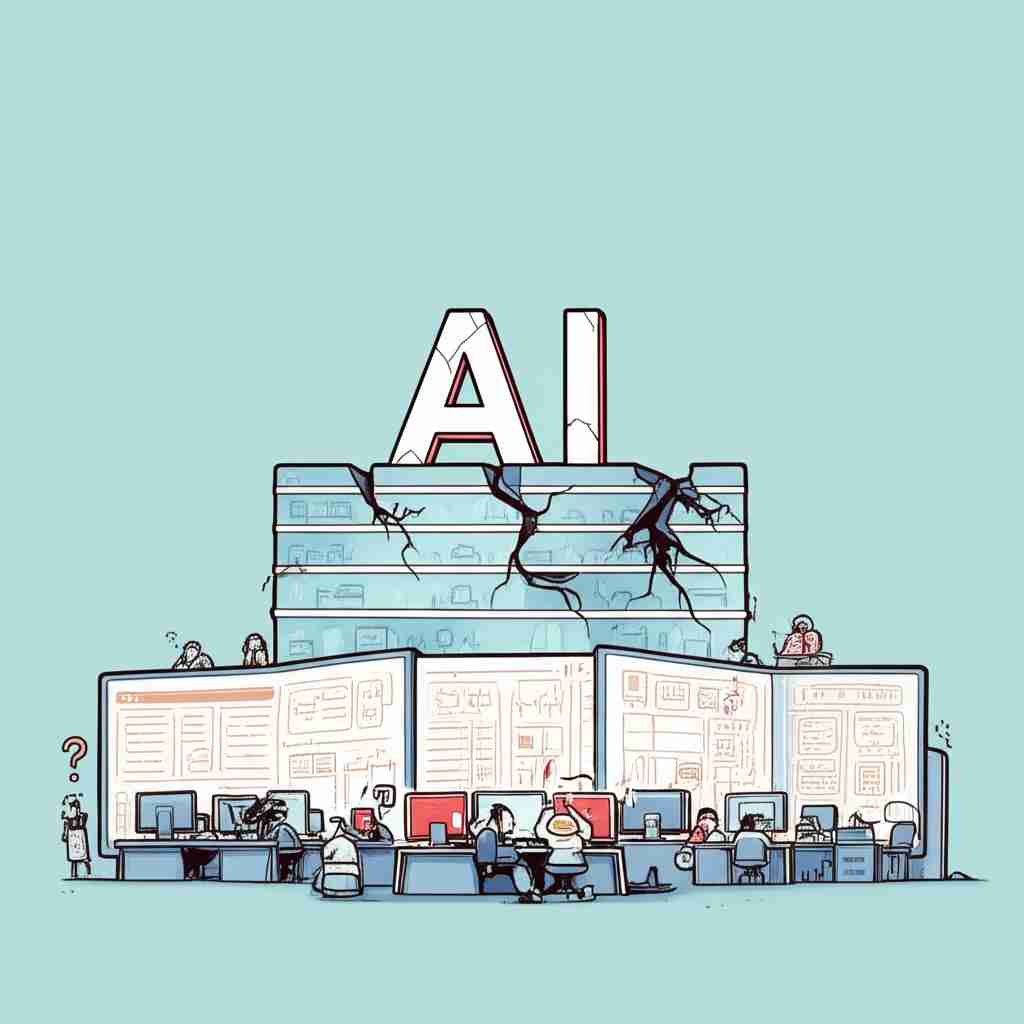
This is not an outright replacement of SaaS, but a robust augmentation—where agentic AI becomes the next logical evolution, not the disruptor that wipes the SaaS slate clean.
Evidence from Industry Research: Agents and SaaS Progress Together
A study conducted at Okoone highlights exactly this synergy. Their research, titled Agentic AI is changing SaaS but not replacing it, demonstrates that agentic AI is a disruptive force designed to complement, rather than eliminate, SaaS. The study underscores that while agentic AI agents are poised to streamline and transform enterprise workflows, they reside within the broader SaaS ecosystem. SaaS vendors and enterprises alike are leveraging AI to deliver more personalized, context-aware, and actionable solutions to customers—without displacing the foundational SaaS model. As the study concludes, the future of SaaS lies in the collaborative power between specialized software platforms and intelligent AI agents.
Real-World Examples: Vertical AI Agents Amplifying SaaS
The shift from general-purpose software to highly verticalized solutions is accelerating with the emergence of agentic AI. Here are illustrative real-world cases:
- AI-Driven QA Testing: Traditional SaaS tools, such as Rainforest QA, supported QA teams to work more efficiently. Now, agentic AI-powered startups like MCH can fully automate QA tasks, removing the need for a separate human QA team altogether—dramatically reducing costs and friction in adoption.
- Customer Support Automation: Where dozens of SaaS products can provide basic customer support automation, new agentic AI models are capable of addressing complex, enterprise-level customer queries at scale. Companies like PowerHelp leverage AI agents to manage thousands of tickets daily, replacing large customer support teams with highly specialized software agents.
- Recruiting & Technical Screening: Early recruiting SaaS platforms enhanced manual screening. Today, agentic AI tools such as A Priora can automate technical and recruiter screening end-to-end, allowing engineering organizations to forego an in-house recruiting team altogether.
- Developer Support Chatbots: SaaS dev tools increasingly rely on AI-powered chatbots (e.g., cap.AI) to absorb and deliver technical knowledge, reducing the need for large developer support or developer relations teams.
- AI Voice Agents for Collections: Startups like Salient use AI voice calling to automate debt collections in the auto lending space, a task traditionally handled by vast teams in call centers.
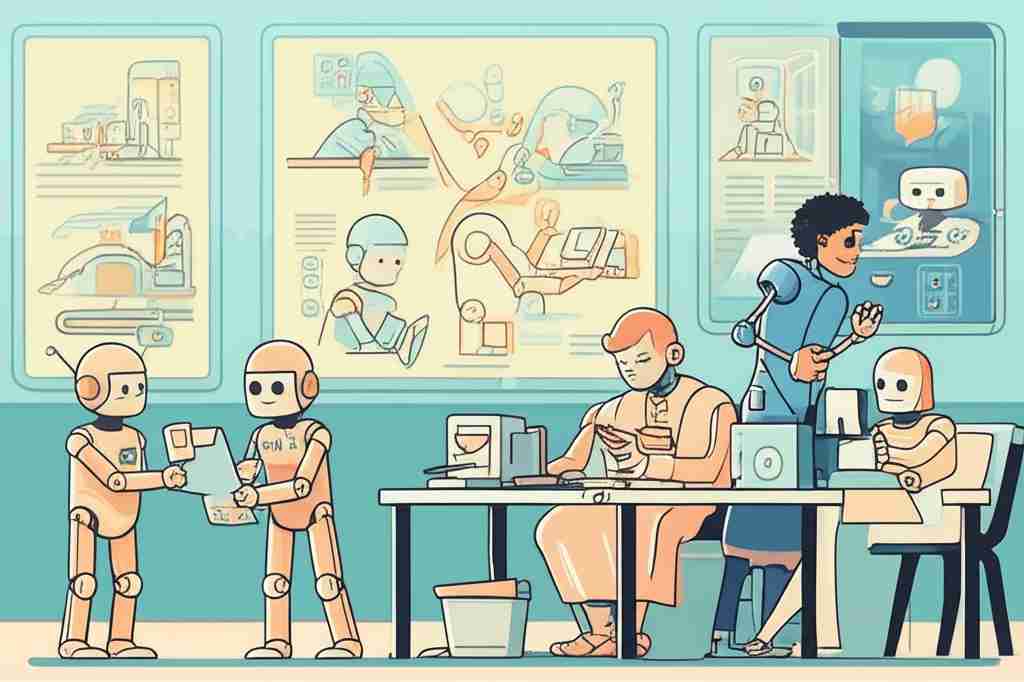
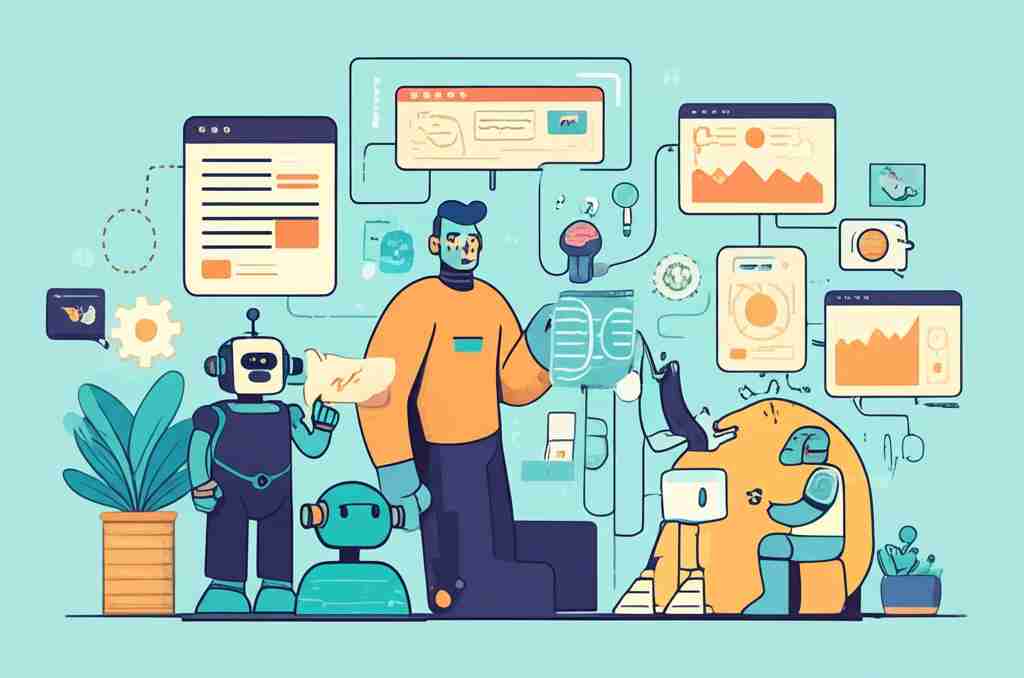
What unites these examples is not the replacement of SaaS, but the amplification of vertical solutions. New AI agents do not render SaaS obsolete—they specialize, extend, and integrate with SaaS products in ways that make businesses leaner and more responsive.
Strategic Takeaways: How to Adapt in the Age of Agentic AI and SaaS Synergy
The changing SaaS landscape requires a thoughtful response from founders, operators, and enterprise leaders. Here’s how to adapt and thrive:
- Identify “boring, repetitive, admin work”—these are prime candidates for agentic AI solutions. As pointed out in discussions between veteran startup investors and founders, tasks that are routine and time-consuming are often where billion-dollar AI agent startups are being built.
- Leverage personal domain expertise: The most promising vertical AI startups often arise when founders have direct experience with the pain points being solved—deep familiarity with industry workflows leads to more relevant, durable solutions.
- Anticipate organizational friction: When selling AI agents that automate (or wholly replace) existing teams, it’s crucial to approach decision makers at the top who are incentivized by efficiency, rather than those whose roles are at risk.
- Plan for integration, not isolation: Successful agentic AI solutions will embrace the SaaS ecosystem, integrating with existing platforms to provide seamless workflows and data exchange.
- Embrace continuous iteration: The nature of AI and SaaS is evolutionary—expect rapid product cycles and iterate quickly based on user feedback and advances in foundational models.
- Prioritize exceptional user experience: The major advantage of vertical solutions (AI-driven or otherwise) is the ability to deliver a 10x better experience in a specific use case than broad horizontal platforms ever could.
Businesses that understand and harness the synergy between agentic AI and SaaS will see substantial rewards—both in operational efficiency and in their ability to better serve their customers.
Conclusion
Agentic AI is not the swan song for SaaS. Instead, it marks the next evolutionary stage—where software becomes more autonomous, deeply integrated, and capable of truly transformative outcomes. As research and real-world examples show, the key lies in embracing the collaborative potentials of AI agents and SaaS, rather than positioning them as adversaries. The winners in this landscape will be those who recognize AI’s role as a specialized partner—enhancing, not erasing, the power of SaaS across industries and verticals.
About Us
At AI Automation Darwin, we specialize in bringing the benefits of advanced AI tools and automation to businesses of all sizes. As agentic AI reshapes the SaaS landscape, our mission is to help you harness these new capabilities—optimizing everyday operations, reducing repetitive admin, and improving customer interactions. We create tailored solutions that integrate seamlessly with your existing software, so you can experience the next evolution of business efficiency with ease.