
Designing for Humans: Why Most Enterprise Adoptions of AI Fail
Introduction: The Silent Crisis in Enterprise AI Adoption
Artificial Intelligence (AI) has evolved rapidly from being a futuristic concept to a practical tool with transformative potential for businesses of all sizes. Yet, most enterprises still struggle to harness AI successfully, resulting in failed projects and wasted investments. It’s not just about technology—it’s about designing for the humans who have to use, manage, and coexist with AI. Understanding why most enterprise adoptions of AI fail is critical as we stand on the brink of widespread AI integration. In this blog post, we’ll uncover the real reasons behind failed AI initiatives and provide actionable steps for designing AI solutions that truly work for humans.
The Real Barrier: Human Resistance and Asymmetric Goals
Contrary to popular belief, the largest obstacles to successful AI adoption rarely stem from technological deficiencies. Instead, they boil down to human factors—specifically, resistance to change and misaligned incentives among employees and leadership.
- Executives focus on growth, efficiency, and ROI. They drive AI initiatives expecting business transformation.
- Employees focus on job security and relevance. Many view AI as a threat, fearing role reduction or obsolescence.
This “asymmetric goal” dynamic creates a situation where employees may be reluctant or even actively resistant to AI implementation. Employees, as the actual subject matter experts (SMEs), are crucial in supporting the automation and transformation of business processes. However, without alignment, they may delay, withhold information, or even sabotage efforts, knowingly or unknowingly. This subtle but pervasive resistance is a core reason for most AI projects failing to deliver on expectations.
Evidence from the Field: Why Human-Centered Design Matters
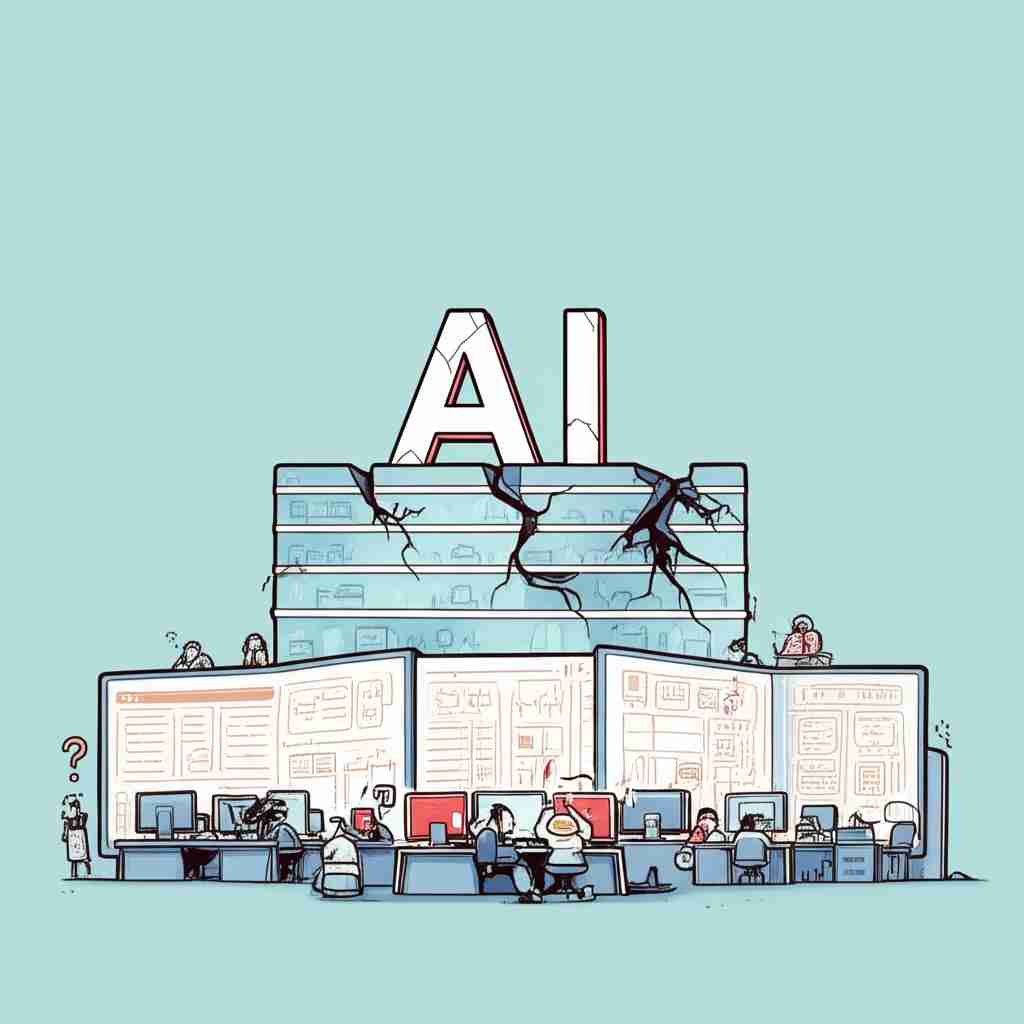
Industry and academic research consistently affirm these observations. A study conducted at CIO.com, “Designing for humans: Why most enterprise adoptions of AI fail”, explores why high hopes for AI often lead to disappointing outcomes. The study highlights how, historically, technology projects have failed not due to tech limitations, but because the human element—user needs, workplace realities, motivation, and change management—has been neglected. Introducing AI into this complex environment dramatically amplifies risks: “Adding AI to this mix is like pouring petrol on a smouldering flame — there is a real danger that we may burn our businesses to the ground.” This research underscores that succeeding with AI is less about algorithms and more about people. Only by thoughtfully designing for human workflows and incentives can enterprises reap the true benefits of AI adoption.
Practical Solutions: Aligning Technology, People, and Processes
Recognizing the root problem is only half the battle. The next step is taking concrete action to ensure human alignment and support throughout the AI adoption lifecycle. Based on real-world experience and best practice, here are four actionable strategies for enterprises:
- Dedicate an Internal Project Manager:
- Assign a responsible internal leader—not just a third-party AI vendor—to oversee the AI project from within.
- Make managing the AI project a core aspect of their role, not a “side task” added to existing duties.
- Incentivize Employees Directly Involved:
- Offer financial or career-growth incentives (e.g., bonuses, promotions, professional development) to those responsible for supporting and implementing AI solutions.
- Ensure their perspective is tied to successful project outcomes, creating a win-win alignment with executive goals.
- Build Internal AI Automation Teams:
- Repurpose current employees into AI automation roles. Employees who know your business processes and culture are uniquely positioned to make automation efforts successful.
- Provide training so your workforce can become “AI-first” specialists, supporting both current and future needs.
- Repurpose Employees for High-Value Work:
- Rather than viewing AI as a way to slash headcount, look at how AI can free employees from routine tasks.
- Redirect freed-up capacity toward relationship-building, customer success, or innovation—areas where automation adds less value than human judgment and empathy.
These measures, when implemented upfront, minimize risk, accelerate project timelines, and dramatically increase the return on investment for AI initiatives. In the long run, spending a bit more on proper alignment is far more cost-effective than repeating expensive failed projects.
Preparing for the AI-First Enterprise: The Path to Sustainable Adoption
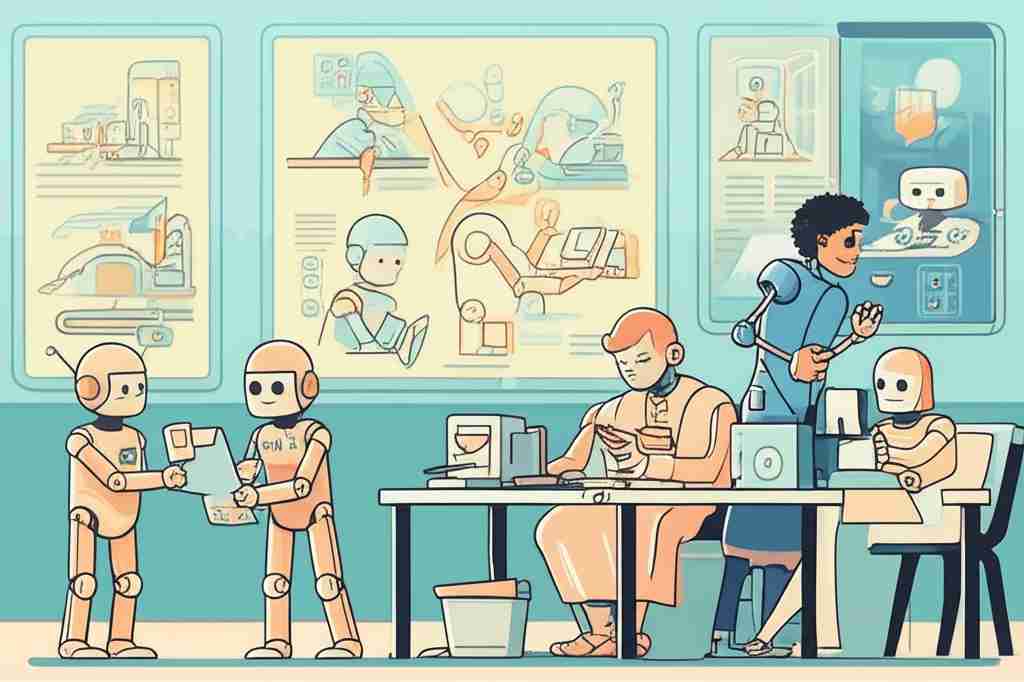
The landscape of AI adoption is evolving rapidly. While “AI augmentation”—humans and AI working side by side—is the current reality for early adopters, the future points toward more autonomous AI agents handling entire business processes. As this shift accelerates, the following steps become critical:
- Proactively embrace organizational change: Mass displacement of roles is likely for non-core functions; planning for this now lowers friction and fear.
- Upskill continuously: Encourage employees—especially domain experts—to learn AI fundamentals. Those who add AI understanding to their core expertise become invaluable in building, maintaining, and overseeing AI systems.
- Seize entrepreneurial opportunities: The early stage of AI adoption leaves huge white spaces for new startups or internal ventures, especially those focused on vertical solutions that combine deep subject matter knowledge with AI.
The essence of sustainable adoption is not only deploying cutting-edge AI, but embedding it in ways that enhance employee capabilities and value, not diminish them unnecessarily.
Conclusion: Designing for Humans is the Foundation of AI Success
The key to successful enterprise AI adoption isn’t just about selecting the right tool or algorithm—it’s about designing for people. AI projects fail most often because organizations overlook the human realities of work, change, and motivation. Solutions that proactively align executive goals with employee incentives, build internal expertise, and create pathways for meaningful work will far outperform those that treat people as obstacles or afterthoughts.
In the coming years, as AI becomes more deeply ingrained in enterprise operations, organizations that put people at the center of their AI strategy will drive more value, adapt more smoothly, and keep innovation fires burning—without burning the business down.
About Us
At AI Automation Darwin, we believe that successful AI adoption is about people, not just technology. We help businesses integrate smart automation by designing solutions that align with real workflows and human needs. Whether you’re starting your AI journey or seeking to boost team efficiency, our tailored approach ensures your employees remain at the heart of innovation.