
“When the Bubble Bursts, the Grandiose Claims About the Technology Will Be Shown to Be Massively Overblown”: AI in Music Production – Where Should We Draw the Line?
Introduction: The AI Music Revolution Is Here—But At What Cost?
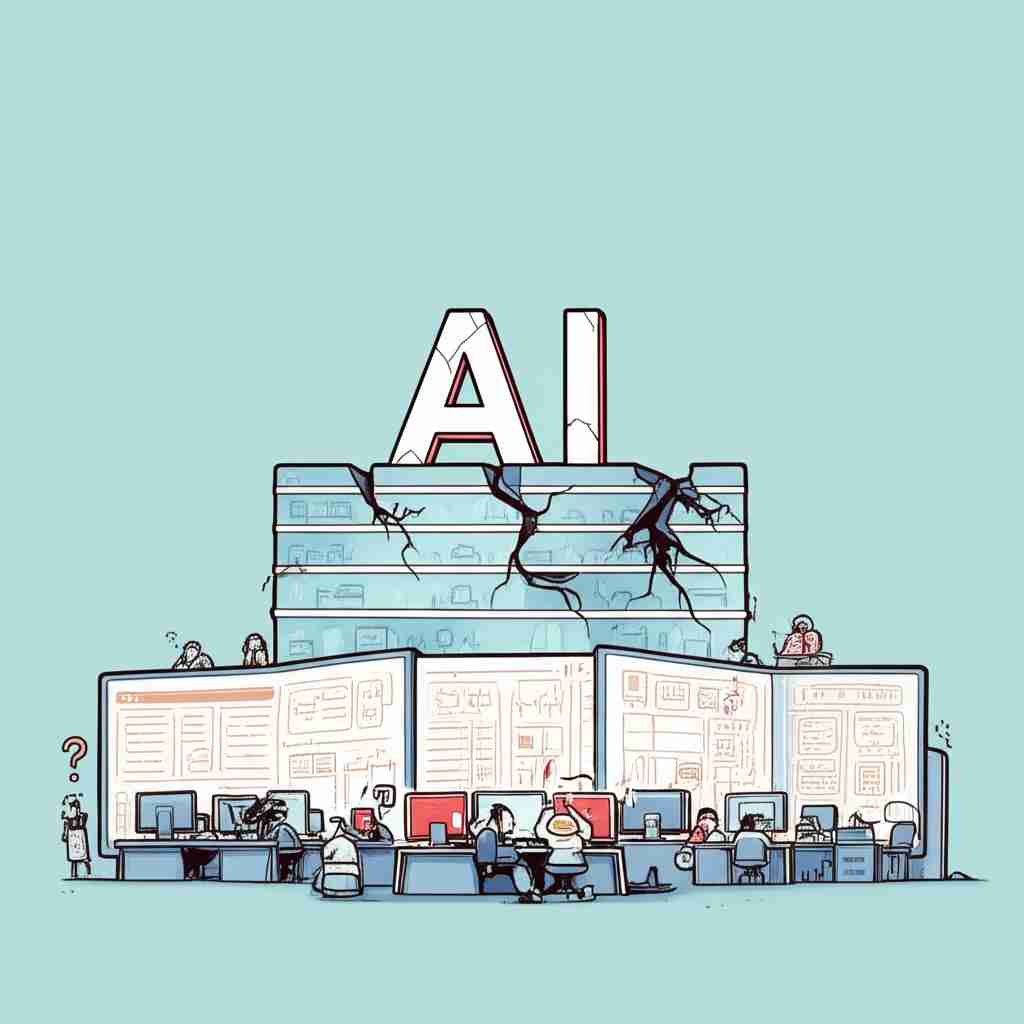
The intersection of artificial intelligence (AI) and music production is one of the hottest debates in the creative industries today. With AI-powered music artists endorsed by global super producers like Timberland, and tools that can now generate entire tracks or clone human voices with startling realism, the promise of AI seems boundless. But as excitement grows, so too does unease: are we crossing an invisible line, risking the authenticity and livelihoods of real human artists? As AI-generated tracks proliferate and the boundaries between algorithmic genius and genuine creativity blur, it’s crucial to ask: when will the bubble burst on these grand claims, and how should we, as music lovers and creators, draw a reasonable line?
AI in Music Production: Current Trends and Controversies
The landscape of AI in music has shifted rapidly from experimental novelty to mainstream conversation. Recent announcements—like an AI entertainment company from Timberland and the rollout of AI artists such as Tata—have sparked heated debate across social media and industry forums. On one hand, there’s admiration for the impressive visuals and technological feats achieved by tools like 11 Labs and Suno, which can clone voices and even layer emotions into generated vocals. On the other hand, artists and producers—many with decades of invested effort—voice concerns about artistic theft, devaluation of skilled musicianship, and a future where unique human touch is sidelined.
Key elements fueling the debate include:
- AI Voice Cloning: Modern tools like 11 Labs enable users to produce human-like audio clones, adding emotional nuance and linguistic fluency in dozens of languages. For content creators, this is a boon; for vocalists, it raises personal and professional risks.
- Music Generation: Services such as Suno let producers and hobbyists manipulate music by prompting AI models to reconstitute, combine, or invent musical ideas, utilizing vast existing sonic archives.
- Public Reactions: Announcements about prominent producers like Timberland launching AI artists trigger divisive responses—some see opportunity and democratization, others see existential threat and loss of creative agency.
Social platforms have become arenas for these discussions, as evidenced by thousands of passionate comments when Timberland revealed his AI artist initiative. While some welcome the innovation and opportunities for broader collaboration, many question the implications for artistic originality, fair compensation, and long-term authenticity in the art form.
Where Should We Draw the Line? Perspectives from Creators and Industry Leaders
The explosion of AI tools for music has not only democratized access to production but has forced creators and industry veterans to reckon with profound ethical and artistic questions. The lines being drawn, and redrawn, reflect a dynamic, often confusing, negotiation between innovation and preservation of the human soul in music.
1. Creativity versus Imitation
Some artists argue that, like previous shifts in technology (from analog instruments to digital audio workstations, or hand-painting to Photoshop), AI tools are simply the next step in creative evolution. AI can analyze an entire catalog, recognize patterns, and reproduce “Timberland-like” or “Kanye-esque” beats, but still requires human “taste” and input to stand out. As one musician put it, “AI can help us understand the foundation, but we must give it our own spin.”
2. Protection of Artistic Identity and Compensation
Voices in the industry are calling for more rigorous protections—proposing that elements like an artist’s unique voice should be formally included in NIL (Name, Image, and Likeness) deals. Monies generated by AI impersonation or use of signature styles could be redistributed back to original artists through transparent, regulated systems, such as subscription royalties.
3. The Case for Responsible Tool Use
Many seasoned producers, including Timberland himself, stress that AI can serve as a collaborative tool, not a full replacement: “I use Suno for a tool, like a sampler… I uploaded all my beats.” When human creators use AI to enhance or iterate upon their own content, the ethical stakes are lower compared to unauthorized mass data mining or voice theft. Transparency and intent become vital dividing lines.
4. The Bigger Danger: Devaluing Human Expression and Widening Inequality
Critics fear that unregulated AI will widen the gap between those with and without access or platform, as “a small elite group of people owning everything” gain disproportionate control. Automated generation could eventually dilute the uniqueness of creative expression, making it even more vital to distinguish and reward authentic, live, human artistry.
In sum, the line should be drawn:
- Against unauthorized training and reproduction of artists’ work without fair credit or compensation
- For transparency and user education about what AI tools do and how to use them ethically
- At the point where AI ceases to be a tool enabling human creativity, and instead becomes a substitute for it
- By evolving legal frameworks to include protections for voice, style, and likeness—mirroring NIL arrangements in sports and other creative fields
What Does the Evidence Say? Study Insights on AI’s Impact in Music
A study conducted at MusicRadar (“When the bubble bursts, the grandiose claims about the technology will be shown to be massively overblown”: AI in music production – where should we draw the line?) examined the real-world impact and attitudes toward AI-powered music creation. The authors found that while initial hype around AI’s capacity to revolutionize music is high, the true scope of transformative change has often been overstated. The key findings included:
- A vast segment of professional artists and producers regard AI as a useful assistant or inspiration tool, but remain skeptical of its ability to genuinely innovate or replace human musicianship.
- The most cited risks relate to loss of creative authenticity, intellectual property concerns, and inadequate compensation for the original artists whose works enable AI learning.
- Evidence suggests that as the novelty of AI-generated music wears off, audiences and creators place renewed value on live performance, uniqueness, and authentic human expression—qualities that AI struggles to replicate.
This study supports a nuanced, practical stance: the future of music production is likely to blend AI’s efficiency and creative prompting with irreplaceable human artistry. As the “bubble” of inflated claims deflates, responsible integration and new policy frameworks will be vital to preserving the spirit of music creation. Read the study here.
Practical Guidance: Navigating AI in Your Music and Creative Career
For music creators, producers, and fans navigating this fast-evolving landscape, consider these actionable takeaways to maintain both creative edge and ethical integrity:
- Use AI as a tool, not a crutch. Leverage AI-generated ideas as inspiration, not substitution. Let your own style and judgment shape the final product.
- Be transparent and demand transparency. If you use AI, make it clear what parts of your work are human-made and which are produced or enhanced by algorithms. Support platforms that disclose training data and creative sources.
- Advocate for artist rights and fair compensation. Join the call for clearer laws, NIL protections, and fair revenue-sharing frameworks when AI models use your voice, music, or style.
- Continue developing unique, manual skills. Prompt engineering is valuable, but deep musicianship, live performance ability, and original artistic vision will continue to set creators apart as AI-generated content becomes ubiquitous.
- Engage with the community and give feedback. Participate in open forums, panels, or collective negotiations—as seen in the lively, respectful debates between industry leaders and producers—to help shape a fairer, more informed ecosystem.
Conclusion: The Future Isn’t Binary—Balance Will Define the Next Era
The rise of AI in music production doesn’t have to spell the end of human creativity. Rather, it’s an inflection point, forcing the industry and its artists to reevaluate the values that make music meaningful. As initial excitement tempers and the claims of AI revolution become more realistic, the industry’s challenge will be to find a just balance between innovation and authenticity. Collectively, we must insist on transparency, fair compensation, and unwavering respect for the human soul in music. Only then can we ensure that, when the AI music bubble bursts, we’re left not with an empty echo, but with a vibrant, diverse future where technology truly serves creativity—not the other way around.
About Us
At AI Automation Darwin, we help businesses harness the latest AI advancements—just as the music industry is navigating powerful new technologies. Our tailored automation solutions make smart tools accessible and ethical, supporting creative professionals and organizations to work efficiently without sacrificing authenticity or unique value.