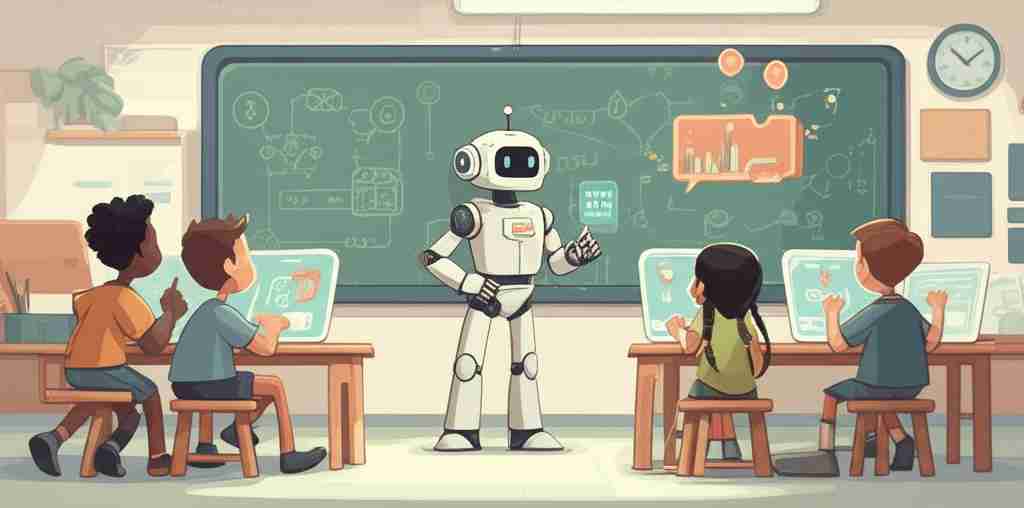


Artificial Intelligence Implementation: 8 Steps for Success
Artificial intelligence (AI) is no longer a futuristic concept, but a powerful driver of competitive advantage across every industry. Despite rapid technological advances, many businesses remain in the early stages of AI adoption. From resistance to change within organizations to the pitfalls of hasty implementation, the path to successful AI integration is filled with both challenges and opportunities. How can your organization harness the true potential of AI while avoiding common mistakes? In this comprehensive guide, we outline eight crucial steps for AI implementation success—backed by research and practical insights from industry experience.
1. Understand the Current Landscape and Define Objectives
Before launching any AI initiative, it is essential to understand both the capabilities of AI and the unique objectives of your business. Many organizations mistakenly equate AI with simple chatbots or automation tools, overlooking the spectrum of possibilities from predictive analytics to autonomous agents.
- Clarify your use case: Determine exactly what problem AI should solve for your organization, such as improving efficiency, reducing costs, enhancing customer experiences, or enabling new services.
- Align stakeholders: Ensure that both executives and staff have a shared vision of what success looks like and why AI adoption matters.
Every business is at a different stage in the AI journey, and there is no one-size-fits-all approach. Understanding your starting point and desired outcomes will guide your entire implementation process.
2. Overcome Internal Barriers: Address Resistance to Change
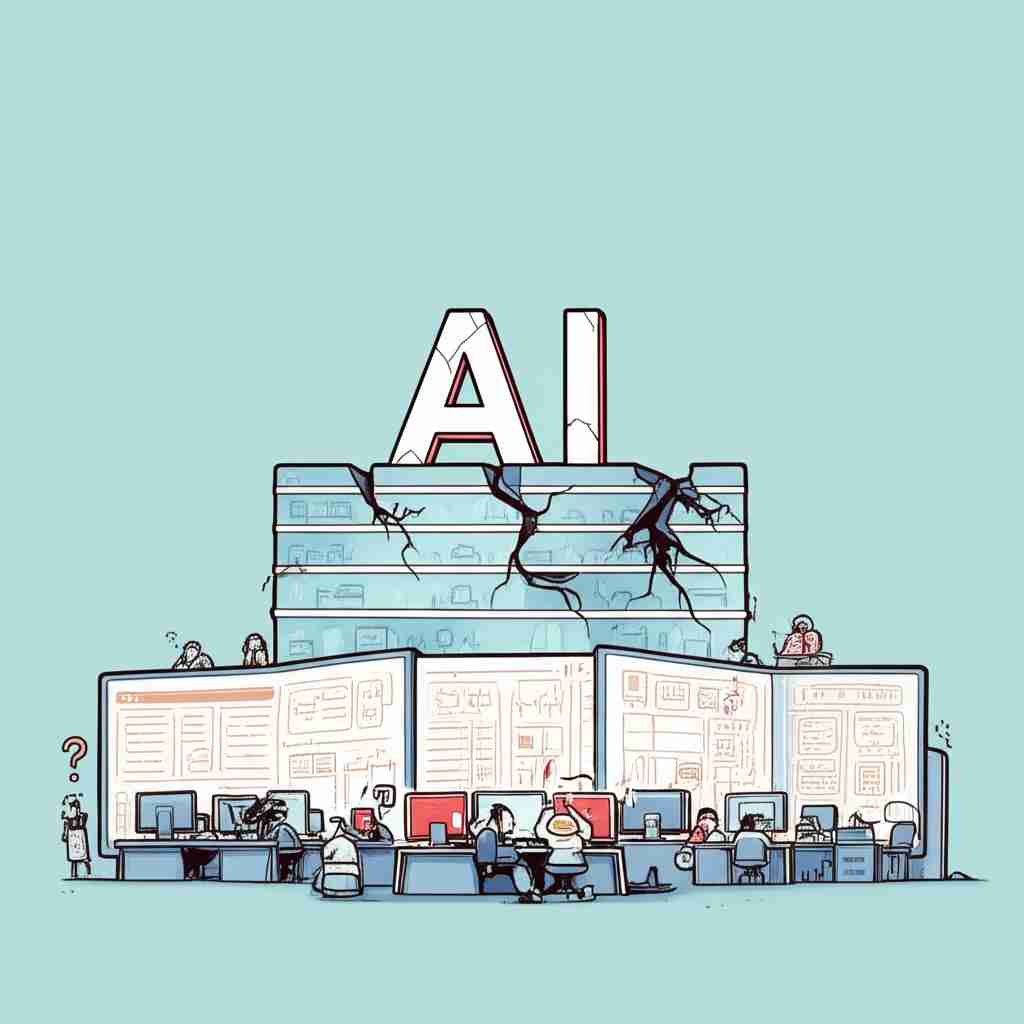
One of the most significant obstacles to AI implementation is internal resistance—often stemming from misaligned incentives between executives and employees. While leadership may see AI as a tool for efficiency and growth, staff may fear job displacement or loss of relevance.
Practical strategies to address this challenge include:
- Transparency: Openly communicate the objectives and benefits of AI to all levels of the organization.
- Incentivization: Provide financial rewards, career growth opportunities, or recognition to employees who actively contribute to AI projects.
- Collaboration: Involve subject matter experts early—these frontline employees possess invaluable insights into daily workflows and are instrumental in shaping effective AI solutions.
Failure to address asymmetrical goals between executives and employees can sabotage projects, slow progress, and waste resources. By fostering alignment and trust, you lay the groundwork for lasting success.
3. Establish Dedicated Roles and Teams for AI Projects
AI implementation is a complex, collaborative process that crosses departmental boundaries. Assigning clear responsibility—and the right talent—is critical.
- Appoint an internal project manager: Select a specific team member whose core responsibility is to ensure the AI project meets deadlines and goals. This should not be an added duty to an already overloaded role, but a dedicated function for the duration of the project.
- Create or empower an AI automation team: For larger enterprises, consider forming an internal team focused on AI solutions. This group may consist of employees repurposed from other departments—leveraging their process knowledge and company relationships for smoother AI integration.
- Train employees on AI: Investing in upskilling ensures your organization has the in-house expertise to operate and maintain AI systems.
Research published in Artificial intelligence implementation: 8 steps for success found that careful planning and a structured approach are essential for sustainable, organization-wide AI deployment. The study highlights that while every company’s journey is unique, best practices such as defining use cases, aligning stakeholders, and forming specialized implementation teams are consistently associated with successful outcomes. Businesses that follow this evidence-based, stepwise method experience fewer pitfalls and achieve higher returns on AI investments.
4. Build for Augmentation, Then for Automation
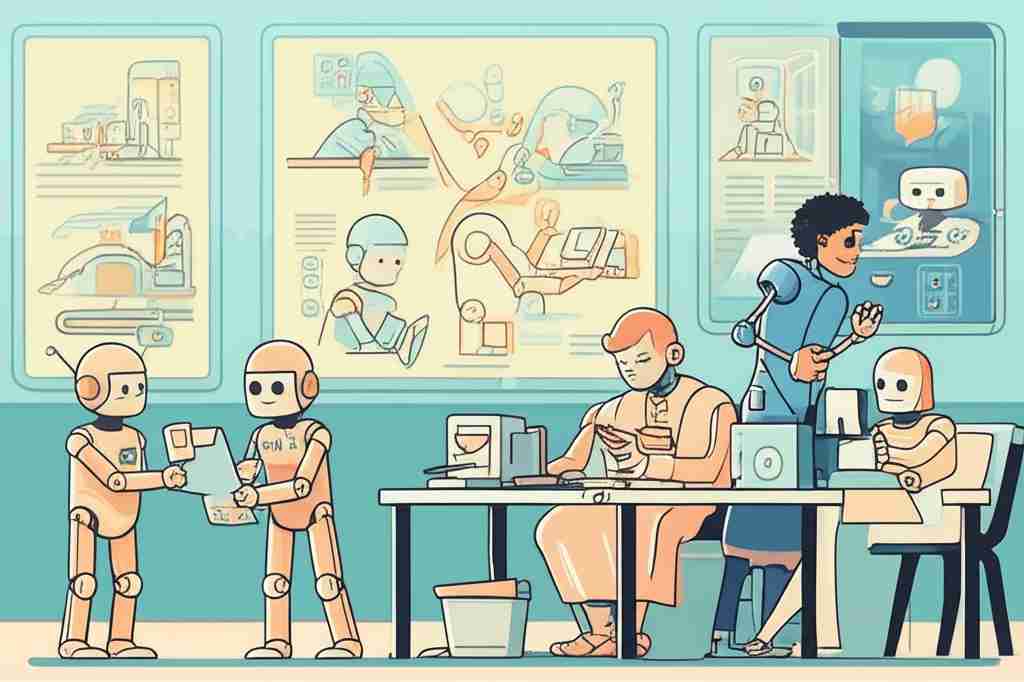
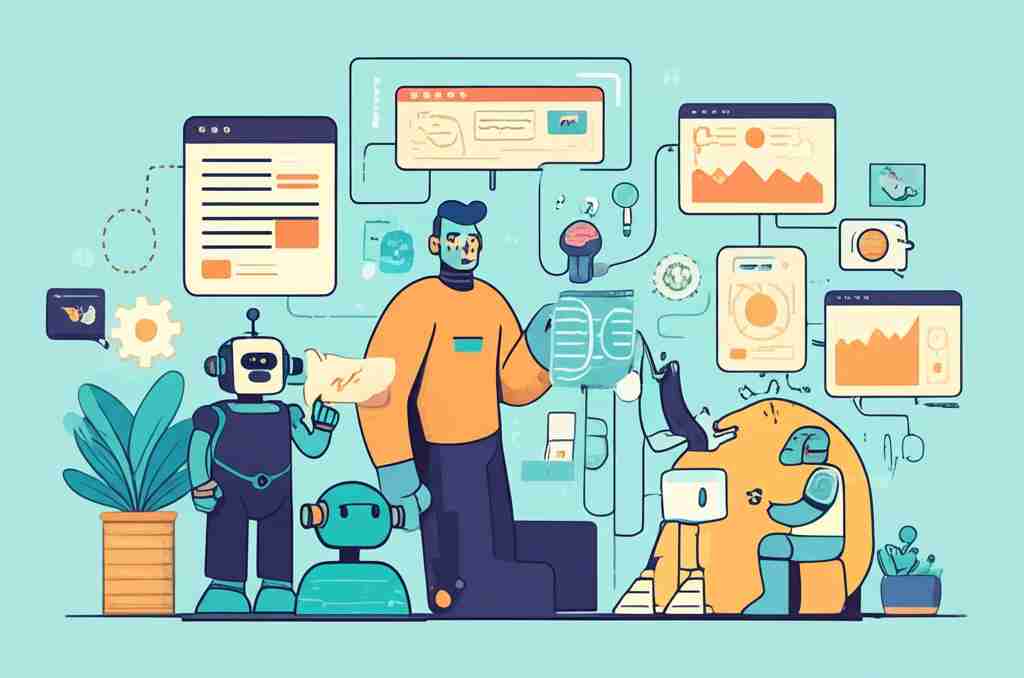
The initial adoption phase for most organizations will be AI augmentation: working alongside AI tools to boost productivity. Full automation—where AI agents operate tasks autonomously—will follow once technology matures and the business is ready.
Actionable steps:
- Pilot AI in partnership: Start with augmentation projects where AI supports, rather than replaces, human employees. This builds confidence and allows feedback-driven refinement.
- Repurpose roles, don’t just reduce headcount: Free up valuable staff time for higher-value activities (e.g., exceptional customer service or strategic initiatives) rather than focusing solely on workforce reduction.
- Prepare for change: As AI capabilities expand, develop a roadmap for transitioning certain tasks or departments to greater automation. Ensure teams are equipped to oversee, maintain, and continuously improve these systems.
Reskilling employees as AI-first specialists and enabling cross-functional AI teams can minimize friction and maximize ROI, transforming resistance into enthusiasm for innovation.
5. Plan for Continuous Learning and Future Proofing
The pace of AI advancement means today’s best practices may evolve rapidly. Both leaders and employees need strategies for lifelong learning and adaptability.
- Invest in education: Encourage staff across all levels to learn about AI technologies relevant to your industry and business processes.
- Foster entrepreneurial thinking: Subject matter experts can leverage their domain knowledge to identify new opportunities for AI-driven improvement—or even launch innovative business ventures.
- Embrace experimentation: Be open to piloting new AI tools, gathering feedback, and iteratively enhancing your approaches.
The AI revolution will inevitably create new roles and opportunities. Organizations and individuals who proactively learn, adapt, and experiment will be well positioned to thrive—even amidst ongoing change.
Conclusion: Set Your Organization Up for AI Success
Achieving sustainable value from artificial intelligence is more than a technical challenge—it requires a strategic, structured, and people-centered approach. By following these eight steps, organizations can overcome internal resistance, build the right teams, focus on augmentation before automation, and commit to continuous learning. The future of work will be shaped not just by AI’s capabilities, but by the strategy, collaboration, and vision of those who implement it. Start your journey now to unlock meaningful ROI and stay ahead in the age of intelligent automation.
For a deep dive into evidence-based guidelines for AI adoption, review the research at Artificial intelligence implementation: 8 steps for success.
About Us
At AI Automation Darwin, we empower businesses to confidently navigate their AI journey. Our team specializes in designing tailored AI solutions that streamline operations and drive growth. By supporting companies through every step—from defining objectives to fostering continuous learning—we make AI implementation practical, accessible, and aligned with your unique goals.